
Uterine fibroids and infertility can be closely linked, as fibroids are noncancerous growths that may affect a woman’s ability to conceive or carry a pregnancy to term. While they are generally benign, fibroids can cause a range of symptoms and, in some cases, may impact fertility or cause complications during pregnancy. Understanding fibroids, their symptoms, and the ways they can be managed is key for anyone affected by them, especially for those planning a family. Here’s a comprehensive guide to help you make informed decisions about fibroid treatment and its impact on fertility.
Fibroids
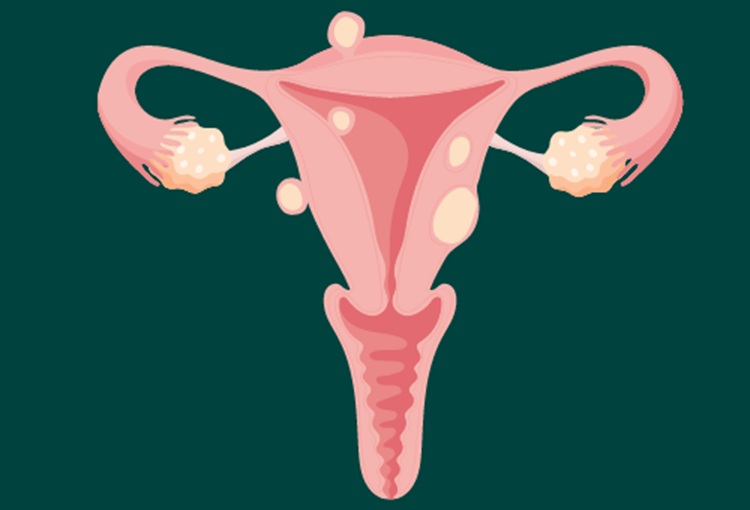
What is Fibroids
What Are Uterine Fibroids?
Fibroids are muscular tumors that grow in the wall of the uterus. They can vary in size, from very small (a few millimeters) to large masses that may distort the shape of the uterus. Fibroids are usually classified by their location in the uterus, as this affects their symptoms and treatment options:
- Submucosal Fibroids: Grow just beneath the uterine lining. They can cause heavy bleeding, pain and impact fertility.
- Intramural Fibroids: Develop within the muscular wall of the uterus. They may enlarge the uterus and cause pain or pressure.
- Subserosal Fibroids: Form on the outer surface of the uterus. They can press on nearby organs, such as the bladder or rectum, leading to symptoms like urinary frequency or constipation.
It’s possible for women to have multiple fibroids of different types at the same time, which may influence the treatment approach.
Symptoms of Uterine Fibroids and their link to infertility
Symptoms of fibroids vary based on their size, location, and number. Some women with fibroids experience no symptoms, while others may have significant discomfort. Common symptoms include:
- Heavy Menstrual Bleeding: Prolonged or heavy periods that may cause anemia.
- Pelvic Pain or Pressure: Pain or a sense of pressure in the lower abdomen or pelvis, especially around your periods.
- Frequent Urination: Large fibroids can press on the bladder, increasing the need to urinate.
- Constipation: Fibroids pressing on the rectum may cause constipation or difficulty passing stool.
- Back and Leg Pain: Larger fibroids can cause pain that radiates to the back or legs, due to compression of nerve or blood vessels.
- Difficulty Getting Pregnant: In some cases, fibroids may interfere with fertility or pregnancy.
It’s important to note that symptoms don’t always correlate with fibroid size—small fibroids may cause severe symptoms if located near sensitive areas, while larger ones may remain asymptomatic.
How Are Fibroids Diagnosed?
If you experience symptoms suggestive of fibroids, your doctor may perform a series of tests to confirm the diagnosis. Common diagnostic procedures include:
- Pelvic Exam: Your doctor will feel your abdomen to check the size and shape of your uterus.
- Ultrasound: This imaging test uses sound waves to create images of your uterus and any fibroids present.
- Magnetic Resonance Imaging (MRI): An MRI can provide detailed images of fibroids, helping in planning treatment options.
- Hysterosalpingogram (HSG): This test uses X-rays and dye to visualize the uterus and fallopian tubes.
- Hysteroscopy: A thin, lighted tool called a hysteroscope is inserted into the uterus to look for fibroids or other abnormalities.
- Blood Tests: Blood work such as an iron profile can help identify anemia or other issues caused by heavy bleeding.
Your doctor may recommend a combination of these tests to get a full understanding of the fibroids’ size, location, and potential impact on fertility.
Fibroids and Infertility- How Do Fibroids Affect Fertility?
Fibroids don’t always cause infertility, and many women with fibroids can conceive naturally. However, certain types and sizes of fibroids may interfere with conception or pregnancy. Here’s how:
- Implantation Issues: Fibroids that distort the uterine lining (endometrium) may prevent a fertilized egg from implanting properly.
- Blockage of the Fallopian Tubes: Fibroids close to the fallopian tubes can obstruct the path of sperm or the egg, hindering fertilization.
- Impact on the Uterus: Large fibroids may alter the shape of the uterus, increasing the risk of miscarriage or preterm labor.
Fibroids that are larger than 4 cm, especially if located within the uterine cavity or close to the fallopian tubes, are more likely to impact fertility.
Fibroids and Infertility- When Should Fibroids Be Treated?
Treatment is generally recommended if fibroids cause significant symptoms, interfere with fertility, or increase the risk of complications during pregnancy. Watchful waiting may be appropriate for small, asymptomatic fibroids, but treatment should be considered if you experience:
- Persistent pain or heavy bleeding
- Difficulty conceiving
- Recurrent miscarriages attributed to fibroids
- Rapid growth of fibroids over time
Treatment Options for Fibroids
Treatment for fibroids depends on factors like the size, location, symptoms, and your future fertility plans. Here are the common treatment options:
- Watchful Waiting
If fibroids are small and not causing symptoms, your doctor may suggest monitoring them with regular checkups. - Medications
- Hormonal Medications: Birth control pills can help regulate periods and reduce heavy bleeding.
- GnRH Agonists: These medications temporarily shrink fibroids by lowering hormone levels but may cause side effects with long-term use.
- Minimally Invasive Procedures
- Uterine Artery Embolization: This procedure blocks blood flow to the fibroids, causing them to shrink.
- MRI-Guided Focused Ultrasound: High-frequency sound waves destroy fibroids without affecting surrounding tissue.
- Hysteroscopic Myomectomy: A minimally invasive surgical option to remove submucosal fibroids via the vagina and cervix.
- Surgical Options
- Myomectomy: A surgical procedure to remove fibroids while preserving the uterus. Ideal for women who wish to maintain fertility.
- Hysterectomy: Removal of the uterus, typically considered for severe cases or when other treatments have not been effective.
It’s essential to discuss these options with your doctor, considering both the benefits and potential risks of each treatment.
Preparing for Pregnancy with Fibroids
If you have fibroids and are considering pregnancy, here are some steps to prepare:
- Consult with a Specialist: Seek advice from a fertility specialist to assess how fibroids might impact your fertility.
- Monitor Fibroids: Regular monitoring helps track fibroid growth, especially if you’re planning a pregnancy soon.
- Consider Pre-Pregnancy Treatment: If fibroids are likely to interfere with conception or pregnancy, your doctor may recommend treating them before you try to conceive.
- Focus on Health and Nutrition: A balanced diet and healthy lifestyle can improve your overall fertility and pregnancy outcomes. Ensure that you do not have iron deficiency.
Possible Complications of Fibroid Treatment
While fibroid treatments are generally safe, there are potential risks, including:
- Surgical Risks: Bleeding, infection, or scarring may occur with surgery.
- Effect on Future Fertility: Some treatments, like hysterectomy, will have an irreversible impact ending fertility. Discuss options with your doctor if preserving fertility is essential.
- Recurrence: Fibroids can recur after treatment, particularly with certain minimally invasive techniques.
Take home message
Understanding fibroids and their potential impact on fertility is essential for making informed health choices. If you have fibroids and are considering pregnancy, consult with a specialist to explore treatment options that best align with your fertility goals. Treatment options range from watchful waiting to surgery, with options available to preserve your fertility and improve your quality of life.
For more information or to schedule a consultation, contact us at Kalpa Clinic today. Our experienced team is here to support you through every step of your fertility and reproductive health journey.
FAQs on Fibroids and Infertility
-
1. Can fibroids cause infertility?
Yes, fibroids can sometimes cause infertility, especially if they distort the uterus or block fallopian tubes. However, not all fibroids affect fertility.
-
2. What size of fibroid affects fertility?
Fibroids larger than 4 cm or located near the uterine lining or fallopian tubes are more likely to impact fertility.
-
3. Can I get pregnant with fibroids?
Many women with fibroids can conceive and carry a pregnancy to term. Discuss with your doctor to understand how your specific fibroids may affect pregnancy.
-
4. Will I need treatment for fibroids if I want to get pregnant?
Treatment may be recommended if fibroids interfere with conception or pose pregnancy risks.
-
5. What lifestyle changes can help manage fibroid symptoms?
A healthy diet, regular exercise, and stress management can support general health and may help manage mild symptoms.
© 2025 Kalpa Clinic . All rights reserved.