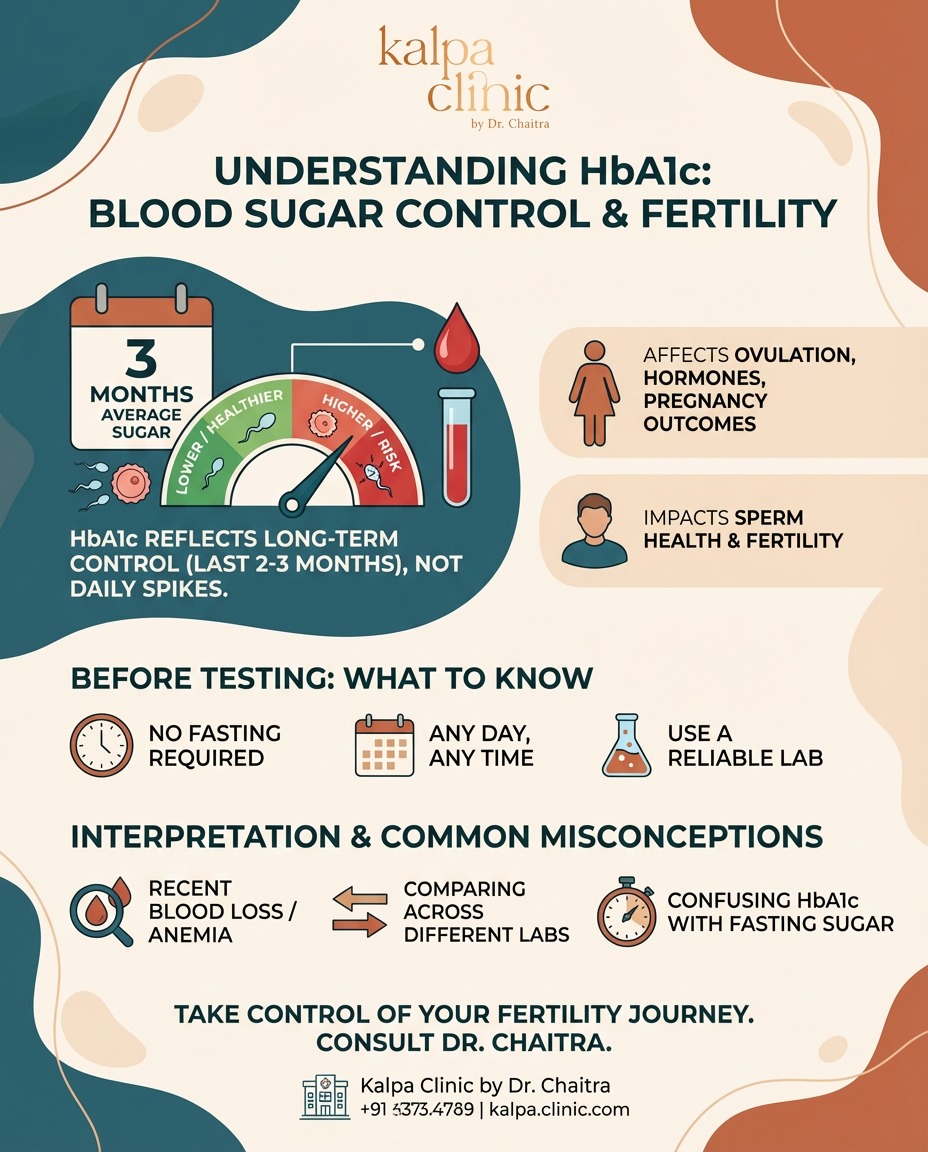
How Is the HbA1c Test Performed?
The HbA1c test is a simple blood test that requires no fasting. Unlike other glucose tests that measure blood sugar levels at a specific moment, the HbA1c test provides a long-term picture of blood sugar control. This makes it an invaluable tool for assessing overall metabolic health in individuals planning to conceive.
During the test, a small blood sample is taken, typically from a vein in your arm. The test is quick, minimally invasive, and results are usually available within a day. It can be performed alongside other fertility-related blood tests for a comprehensive evaluation.
Do HbA1c Levels Help Diagnose Diabetes?
Yes, HbA1c levels are a key diagnostic tool for diabetes. The test provides a snapshot of average blood glucose levels over the past two to three months, making it highly reliable for diagnosing diabetes and pre-diabetes. An HbA1c level of 6.5% or higher on two separate tests confirms a diagnosis of diabetes, while levels between 5.7% and 6.4% indicate pre-diabetes. Normal HbA1c levels are typically below 5.7%. For individuals experiencing infertility, identifying undiagnosed diabetes through HbA1c testing can uncover a hidden cause and help guide treatment strategies to improve fertility outcomes.
Is Diabetes Associated with a Higher Risk of Infertility?
Diabetes is indeed associated with an increased risk of infertility in both males and females. In women, poorly controlled diabetes can disrupt hormone regulation, leading to irregular ovulation, menstrual abnormalities, and conditions like PCOS. High blood sugar levels can also negatively affect the uterine lining, reducing the chances of successful implantation and increasing the risk of miscarriage.
In men, diabetes can impair sperm quality, motility, and DNA integrity, all of which are essential for fertilization and embryo development. Additionally, diabetes-related complications such as erectile dysfunction or retrograde ejaculation can further reduce the likelihood of conception. Maintaining optimal blood sugar levels through proper glycemic control can mitigate these risks and enhance fertility in both partners.
What Is Prediabetes, and How Does It Impact Fertility?
Prediabetes is a condition where blood glucose levels are higher than normal but not yet high enough to be classified as diabetes. It is a warning sign of metabolic dysfunction that, if left untreated, can progress to full-blown diabetes. For individuals trying to conceive, prediabetes can significantly impact fertility by disrupting ovulation in women and reducing sperm quality in men. Additionally, prediabetes increases the risk of pregnancy complications, such as gestational diabetes, preeclampsia, and preterm birth.
Early intervention through lifestyle changes, such as a balanced diet, regular exercise, and weight management, can reverse prediabetes and improve both overall health and fertility outcomes.
What Happens to HbA1c and PCOS causing Infertility?
Polycystic ovary syndrome (PCOS) is closely linked to insulin resistance, a condition where the body’s cells do not respond effectively to insulin. This resistance leads to elevated blood glucose levels, which in turn can raise HbA1c levels. Women with PCOS often struggle with metabolic issues, including prediabetes or diabetes, making HbA1c testing an essential part of their fertility evaluation. High HbA1c levels in PCOS patients can worsen hormonal imbalances, disrupt ovulation, and reduce the chances of conception. Managing insulin resistance through lifestyle modifications or medications like metformin can help lower HbA1c levels and improve fertility in women with PCOS.
What Are Normal Levels for HbA1c?
For individuals without diabetes, normal HbA1c levels are typically below 5.7%. This indicates well-controlled blood glucose levels and minimal risk of long-term complications. In individuals with diabetes, the goal is often to maintain HbA1c levels below 7%, as recommended by the American Diabetes Association (ADA). Ideally, we would target HbA1c of <6.5% in couples trying to conceive.
When Are HbA1c Levels Considered Abnormal in Infertility?
HbA1c levels are considered abnormal when they exceed the threshold for healthy glycemic control:
- 5.7% to 6.4%: This range indicates prediabetes, signaling an increased risk of developing diabetes.
- 6.5% or higher: Levels in this range confirm a diagnosis of diabetes.
Abnormally high HbA1c levels reflect prolonged exposure to elevated blood glucose, which can damage blood vessels, nerves, and organs over time. For individuals facing infertility, these abnormalities can significantly impact reproductive health, making early detection and intervention essential.
When Should You Consider an HbA1c Test for Infertility?
If you or your partner have a history of diabetes, pre-diabetes, or insulin resistance, testing HbA1c should be a priority before trying to conceive. Even if you have no known blood sugar issues, unexplained infertility or repeated miscarriages may prompt your doctor to check your HbA1c levels. For individuals undergoing fertility treatments like IVF or IUI, achieving optimal HbA1c levels can significantly improve the chances of success.
Optimal HbA1c Levels for Fertility in diabetics
For individuals with diabetes or pre-diabetes, achieving an HbA1c level below 6.5% before conception is recommended. This reduces the risk of complications during pregnancy, including miscarriage, congenital abnormalities, and gestational diabetes. However, the ideal HbA1c target may vary based on individual health conditions, so it’s essential to work closely with your fertility specialist to determine your specific goals.
HbA1c and Infertility- Preparing for IUI or IVF
For couples considering assisted reproductive techniques such as IUI or IVF, maintaining a healthy HbA1c level is critical. Elevated blood sugar can negatively affect egg quality, sperm health, and embryo development, all of which are key to the success of ART procedures. Dr. Chaitra Nayak advises all her patients to optimize their HbA1c levels as part of their preconception care plan to increase the likelihood of successful outcomes.
How Does HbA1c Affect Fertility in Women?
High HbA1c levels can interfere with the delicate hormonal balance necessary for ovulation. In women with conditions like PCOS, elevated blood sugar levels worsen symptoms and make ovulation less predictable. This can lead to irregular menstrual cycles or even anovulation, where the ovaries fail to release eggs entirely. Additionally, poorly controlled diabetes can negatively impact the uterine environment, reducing the chances of successful implantation. Studies show that elevated HbA1c is associated with increased odds of infertility in women.
How Does HbA1c Impact Male Fertility?
In men, poor blood sugar control affects the quality and functionality of sperm. Studies show that high HbA1c levels are associated with reduced sperm motility, lower sperm counts, and increased DNA fragmentation. These factors make it more challenging to achieve fertilization and can lead to poor embryo quality. By improving glycemic control, men can enhance their fertility potential and contribute to better reproductive outcomes.
What Complications Can High HbA1c Cause During Pregnancy?
High HbA1c levels during pregnancy indicate poor blood sugar control, which can lead to significant complications for both the mother and baby. For the mother, elevated HbA1c increases the risk of gestational diabetes, preeclampsia, and infections. It can also contribute to delivery complications, such as the need for a cesarean section. For the baby, high maternal HbA1c levels are associated with an increased risk of congenital abnormalities, macrosomia (excessive birth weight), and preterm birth. Additionally, poor glycemic control during pregnancy may result in neonatal hypoglycemia, where the baby experiences dangerously low blood sugar levels shortly after birth. Managing HbA1c levels before conception and throughout pregnancy is crucial to reducing these risks and ensuring a healthy pregnancy outcome.
What Are the Costs of an HbA1c Test in Bangalore?
In Bangalore, the HbA1c test is an affordable diagnostic tool, with costs ranging between Rs. 500 and Rs. 1,500. The price may vary depending on the clinic or diagnostic lab and whether the test is part of a larger fertility evaluation.
How Can You Prepare for an HbA1c Test?
The HbA1c test requires no special preparation, making it convenient for patients. You do not need to fast before the test, and it can be done at any time of the day. For accurate results, it’s important to inform your doctor about any existing health conditions, medications, or recent blood transfusions that might affect the test’s accuracy.
How to Lower HbA1c Levels for Better Fertility Outcomes
Improving HbA1c levels involves a combination of lifestyle changes and medical interventions. A balanced diet rich in whole grains, vegetables, lean proteins, and healthy fats can help stabilize blood sugar. Regular physical activity, even simple routines like walking or yoga, can also play a significant role. For individuals with diabetes, medications like metformin or insulin may be necessary to achieve target HbA1c levels.
Take home Message
The HbA1c test is a simple yet powerful tool in fertility care, helping couples address a critical factor that influences reproductive success. Whether you’re planning to conceive naturally or exploring assisted reproductive techniques, optimizing your HbA1c levels can improve outcomes and reduce complications.
For more information or to schedule an appointment, contact Dr. Chaitra Nayak’s clinic today and take the next step toward a healthier, more informed fertility journey.