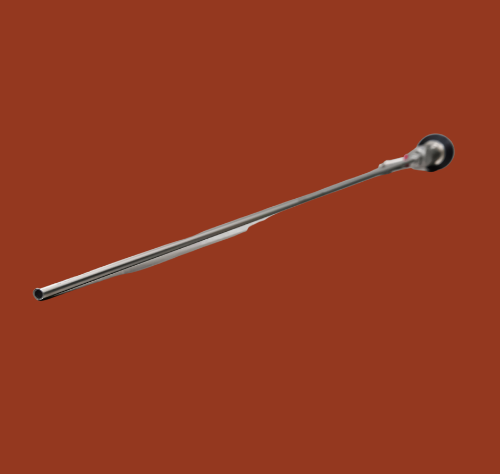
What is Hysteroscopy in Infertility?
Hysteroscopy is a diagnostic and surgical procedure used to examine the inside of the uterus. During the procedure, a thin, lighted tube with a camera called a hysteroscope is inserted through the vagina and cervix into the uterus. This allows the doctor to view the uterine cavity and identify abnormalities that may be causing infertility.
For example, if a patient has experienced multiple miscarriages or problems getting pregnant, a hysteroscopy can help detect issues such as uterine fibroids, polyps, adhesions or scar tissue that might be affecting implantation. By addressing these issues, hysteroscopy can significantly increase the chances of a successful pregnancy.
How Hysteroscopy Helps in Infertility Diagnosis
Hysteroscopy provides a direct and detailed view of the uterine cavity, making it an excellent tool for diagnosing infertility-related conditions. Unlike imaging tests like ultrasounds, hysteroscopy allows doctors to see the uterus in real-time and even collect tissue samples if needed.
For instance, a patient experiencing abnormal uterine bleeding and infertility might have endometrial polyps obstructing the implantation of an embryo. During hysteroscopy, the doctor can not only confirm the presence of polyps but also remove them in the same session, avoiding the need for multiple procedures.
Conditions Causing Infertility Treated with Hysteroscopy
Hysteroscopy is both a diagnostic and therapeutic tool. It is commonly used to diagnose and treat:
- Uterine fibroids, which can distort the uterine cavity
- Polyps that block embryo implantation
- Scar tissue, adhesions (Asherman’s syndrome) causing infertility
- Congenital abnormalities like a uterine septum
- Retained pregnancy tissue after a miscarriage or delivery
By addressing these issues, hysteroscopy not only resolves physical barriers to pregnancy but also improves the overall health of the uterine lining, which is crucial for successful conception.
How Does Hysteroscopy Compare to Laparoscopy in Infertility Treatment?
Doctors use hysteroscopy and laparoscopy to diagnose and treat infertility, but each serves a distinct purpose. Hysteroscopy allows doctors to examine the inside of the uterus and treat conditions affecting the uterine cavity. They perform this procedure through the vaginal canal without making any external incisions. This approach makes hysteroscopy ideal for identifying and treating abnormalities such as polyps, fibroids, or adhesions within the uterus.
Laparoscopy, in contrast, requires small incisions in the abdomen to insert a laparoscope, a camera-equipped device that provides a clear view of the outside of the uterus, fallopian tubes, ovaries, and other pelvic organs. Doctors often use laparoscopy to diagnose or treat conditions such as endometriosis, ovarian cysts, or blocked fallopian tubes. While laparoscopy offers a broader perspective of the reproductive system, hysteroscopy focuses specifically on the uterine cavity. Together, these procedures complement each other, providing a comprehensive evaluation in infertility cases.
What is the Difference Between Hysteroscopy and Colposcopy?
Doctors perform hysteroscopy and colposcopy for distinct purposes, targeting different parts of the reproductive system. During hysteroscopy, they insert a thin, lighted tube through the cervix to examine the uterus. Doctors mainly use this procedure to diagnose and treat uterine conditions that affect fertility, such as fibroids, polyps, and adhesions.
In contrast, colposcopy focuses on the cervix and vaginal walls. Doctors use a colposcope—a specialized microscope—to magnify cervical tissues for detailed observation. They often perform colposcopy to investigate abnormal Pap smear results, cervical dysplasia, or other cervical issues. While hysteroscopy helps address infertility, colposcopy is more commonly used for cervical cancer screening and diagnosis.
How Soon Can I Try to Conceive After Hysteroscopy?
The timeline for resuming attempts to conceive after hysteroscopy depends on the procedure’s purpose and findings. For diagnostic hysteroscopy without any surgical interventions, most patients can start trying to conceive within one menstrual cycle. If your doctor performs operative hysteroscopy to remove fibroids, polyps, or scar tissue, they may advise you to wait one to three cycles to allow your uterus to heal completely.
Hysteroscopy in Infertility: Procedure Explained
Doctors typically perform hysteroscopy in an outpatient daycare setting, allowing you to return home just a few hours after the procedure.
They usually sedate patients with a mild anesthetic to ensure comfort. During the procedure, you lie on an exam table while the doctor gently opens the vaginal canal using a speculum. The hysteroscope is then inserted through the cervix into the uterus. To enhance visibility, the doctor introduces a small amount of sterile fluid or gas to expand the uterine cavity, making it easier to examine and treat.
The entire procedure usually takes 15–30 minutes. Most patients can return home the same day and resume normal activities within a day or two.
Is Hysteroscopy Painful?
The level of pain during hysteroscopy depends on the type of procedure and the use of anesthesia. Diagnostic hysteroscopy, being minimally invasive, usually causes only mild discomfort or cramping, similar to menstrual cramps. Doctors typically use anesthesia or sedation for operative hysteroscopy to ensure the patient’s comfort.
Cost of Hysteroscopy for Infertility in Bangalore
In Bangalore, the cost of a hysteroscopy procedure typically ranges from ?15,000 to ?50,000, depending on various factors such as the type of procedure (diagnostic or operative), the anesthesia used, and the healthcare facility chosen.
It’s advisable to consult with your healthcare provider and the chosen medical facility to obtain a detailed cost estimate tailored to your specific medical needs.
What is the Difference Between Diagnostic and Operative Hysteroscopy in Infertility?
Doctors use hysteroscopy as a versatile procedure for both diagnostic and therapeutic purposes, tailored to the patient’s condition and treatment goals. Dr. Chaitra Nayak explains the key differences between diagnostic and operative hysteroscopy and highlights how each can play a role in infertility care.
Diagnostic Hysteroscopy in Infertility
Doctors perform diagnostic hysteroscopy to examine the inside of the uterus and identify potential abnormalities that may contribute to infertility or other reproductive issues. Doctors often perform this minimally invasive procedure without anesthesia or with local anesthesia to enhance comfort.
For example, a patient with unexplained infertility might undergo diagnostic hysteroscopy to check for conditions like endometrial polyps, fibroids, or a uterine septum. The hysteroscope provides a clear, real-time view of the uterine cavity, enabling the doctor to detect even subtle abnormalities.
- Purpose: To investigate symptoms such as abnormal uterine bleeding, recurrent miscarriages, or unexplained infertility.
- Duration: Typically takes 5–10 minutes.
- Outcome: Provides a clear diagnosis; additional procedures may be scheduled if abnormalities are found.
Operative Hysteroscopy in Infertility
Doctors perform operative hysteroscopy to treat abnormalities they detect during a diagnostic hysteroscopy or through other imaging tests like ultrasounds or hysterosalpingography (HSG). They use specialized surgical instruments through the hysteroscope to correct issues within the uterus.
For example, if doctors find fibroids or polyps during a diagnostic hysteroscopy, they often remove them in the same session using operative hysteroscopy. This dual-purpose approach reduces the need for multiple procedures and accelerates treatment.
- Purpose: To treat uterine conditions such as fibroids, polyps, adhesions, or a uterine septum.
- Duration: Typically takes 15–30 minutes, depending on the complexity of the procedure.
- Outcome: Restores the uterine cavity to its optimal condition, improving the chances of conception and successful pregnancy.
Common Operative Procedures Performed with Hysteroscopy
Doctors use operative hysteroscopy as a versatile tool to treat various uterine conditions that impact fertility. Some of the most common procedures include:
1. Hysteroscopic Polypectomy
Polyps are small, benign growths in the uterine lining that can interfere with implantation and cause irregular bleeding. During a hysteroscopic polypectomy, the doctor removes these growths using specialized instruments, creating a healthier uterine environment for conception.
2. Hysteroscopic Myomectomy
Fibroids, or uterine leiomyomas, are benign tumors that can distort the uterine cavity and block implantation. Hysteroscopic myomectomy involves removing fibroids that are located inside the uterine cavity (submucosal fibroids) to improve fertility outcomes.
3. Treatment of Asherman’s Syndrome (Adhesiolysis)
Asherman’s syndrome occurs when scar tissue forms inside the uterus, often as a result of previous surgeries or infections. Doctors perform hysteroscopic adhesiolysis to remove scar tissue, restore the uterine cavity, and improve menstrual flow and fertility.
4. Uterine Septum Resection
A uterine septum is a congenital condition where a band of tissue divides the uterine cavity. This can lead to miscarriages or infertility. During a hysteroscopy, the septum can be removed with precision, improving the chances of a successful pregnancy.
5. Endometrial Ablation
Doctors typically perform endometrial ablation to treat heavy menstrual bleeding by removing or destroying the uterine lining, but it is not recommended for women planning to conceive.
6. Removal of Retained Products of Conception
In cases of incomplete miscarriage or delivery, hysteroscopy can be used to remove retained tissue from the uterus, reducing the risk of infection and restoring the uterine cavity.
7. Removal of Foreign Bodies
Intrauterine devices (IUDs) that have shifted or become embedded in the uterine wall can be safely removed using hysteroscopy, ensuring no damage to the uterus.
Preparing for a Hysteroscopy
Prepare properly to ensure a smooth hysteroscopy experience. Schedule the procedure during the first week after your menstrual cycle ends to allow the clearest view of the uterine cavity.
Avoid eating or drinking for at least 6–12 hours before the procedure if it involves anesthesia. Inform your doctor about any medications you take, especially blood thinners, as they may need to be temporarily stopped.
What to Expect After Hysteroscopy
Recovery from hysteroscopy is usually quick. Mild cramping and spotting are common but typically resolve within a day or two. Patients should avoid heavy lifting, intercourse, and using tampons for at least a week to prevent infection.